YuSMP Travel Editorial Team
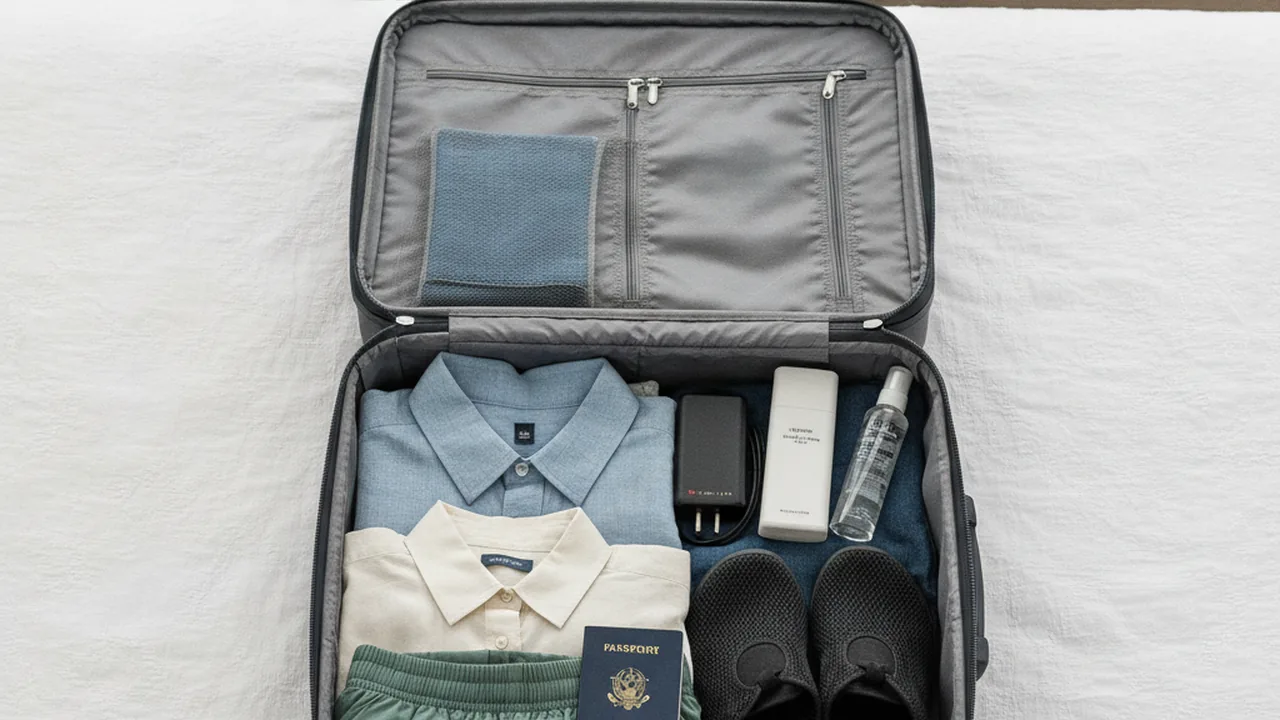
Vietnam needs a short, specific list: a valid passport, a visa or e-visa confirmation, a compact first-aid kit adjusted for local restrictions, a type A/C power adapter, and modest clothing for pagodas — you can buy most of everything else locally, often for less than at home. Documents and money come first, while clothing and gear depend on the region: northern and southern Vietnam run on different climates. A few items are worth knowing about before you fly, since they can raise questions at the border — from vapes to drones. If you haven’t picked your dates and route yet, start with our Vietnam overview, which covers season, visas, hotels and carriers. Below is a step-by-step checklist built on rules verified for late 2026.
For a full breakdown of visas, flights, money and season, see our complete guide to Vietnam. This article covers only the items worth packing, based on official sources on customs and entry rules.
In short: what to pack
- Passport — valid for at least 6 months from your entry date, with 1-2 blank pages.
- Visa or a printed e-visa confirmation (a copy stored in the cloud and on paper).
- Travel insurance with medical cover.
- A little cash in dong or USD for the first few hours.
- Modest clothing for pagodas and temples: shoulders and knees covered.
- A raincoat or compact poncho.
- A first-aid kit with SPF 50+, repellent and personal medicines (with an English-language prescription).
- A universal power adapter and a power bank.
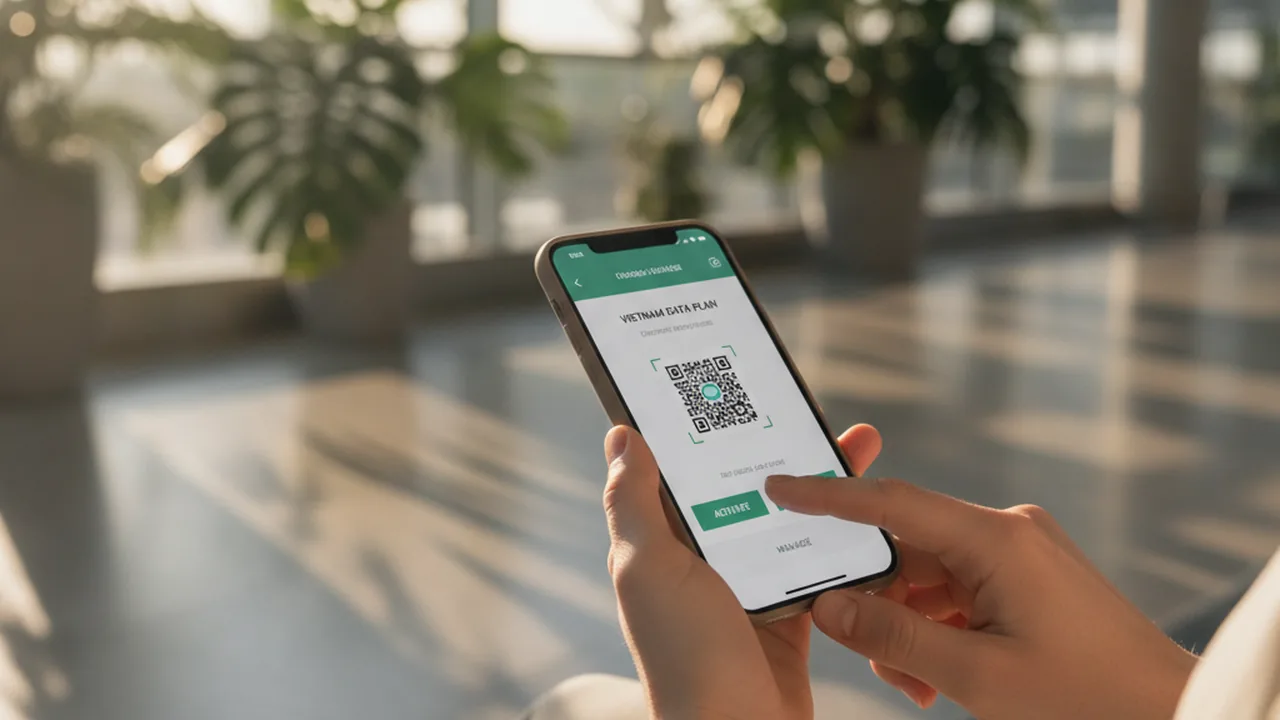
- An eSIM or a plan for getting mobile data locally.
- Copies of all documents, kept separate from the originals.
Documents and money
Your passport should be valid for at least 6 months from your entry date — check this before booking flights. The visa you need depends on the purpose and length of your trip; an e-visa can be filed online in advance — see the step-by-step walkthrough and common mistakes in our guide to the Vietnam e-visa. Keep a printout or screenshot of your e-visa confirmation handy at boarding and at the border.
Travel insurance with medical cover matters in practice even where it isn’t always checked on arrival: private healthcare in Vietnam isn’t cheap. For money, bring a card plus a little cash in dong for taxis and small purchases in the first few hours — see our full breakdown of payment methods, working cards and QR codes in how to pay in Vietnam. Make copies of your passport, visa and bookings, stored separately from the originals, in the cloud and on paper.
Clothing and footwear
The basic rule is lightweight, breathable natural fabrics (cotton, linen) and as little synthetic material as possible, since the climate is hot and humid most of the year. Pagodas and temples have their own dress code: shoulders and knees covered, a thin long-sleeved shirt and light trousers or a long skirt — without it, you may be turned away at the entrance.
- Light t-shirts, shorts and dresses in natural fabrics for everyday wear.
- Modest clothing for temples and pagodas, kept separate from your beach kit.
- Comfortable shoes for the city, plus separate footwear for the beach.
- A compact raincoat or poncho — more reliable than an umbrella on a scooter.
- A light cardigan — not for the weather outside, but for air conditioning on transport and in hotels.
Beach and gear
For resorts such as Nha Trang, Phu Quoc and Da Nang, a dedicated beach kit is worth packing — items like a snorkel mask or reef shoes are cheaper and easier to bring from home than to find locally in the right size.
- Swimwear — ideally two sets, so one always has time to dry.
- Reef shoes — many beaches have coral or rocks underfoot.
- A snorkel mask and tube if you plan to snorkel independently.
- A wide-brimmed hat and UV-filter sunglasses.
- A compact microfibre towel.
First-aid kit: what you actually need
A minimal set: a water-resistant SPF 50+ sunscreen, a DEET-based repellent (25%+), an SPF lip balm, remedies for stomach upsets (oral rehydration salts, loperamide), and personal prescription medicines. Vietnamese customs sets specific limits on personal medicines: according to the General Department of Vietnam Customs, listed "addictive" painkillers and psychotropic medicines for personal use are capped at no more than a 7-day supply for strong painkillers and a 10-day supply for psychotropics, and must be accompanied by a prescription or doctor’s note in English.
For the full list of what else is strictly regulated at entry, see our guide to Vietnamese laws and fines for tourists.
What to add by season and region
Northern, central and southern Vietnam run on different climate cycles, so packing one bag "for all of Vietnam" doesn’t really work — Hanoi in January can be cool and damp, while Ho Chi Minh City is hot and dry at the same time. For a full breakdown, see our guide to Vietnam’s north-south climate split, and month-by-month weather by region is covered in Vietnam weather by month. Pack a light cardigan for the north in winter; a summer wardrobe with a raincoat is enough for the south year-round.
Power, sockets and connectivity
Vietnam’s mains supply is 220V, 50Hz; sockets are mostly type A and C, with type F appearing in some newer hotels (according to power-plugs-sockets.com). A standard two-pin European plug (type C) usually fits without an adapter, while US-style or grounded plugs almost always need one.
- A universal power adapter.
- A power bank for long transfers between cities.
- An eSIM or local SIM card for mobile data — carriers, plans and setup are covered in our eSIM guide for Vietnam.
What you can’t bring in
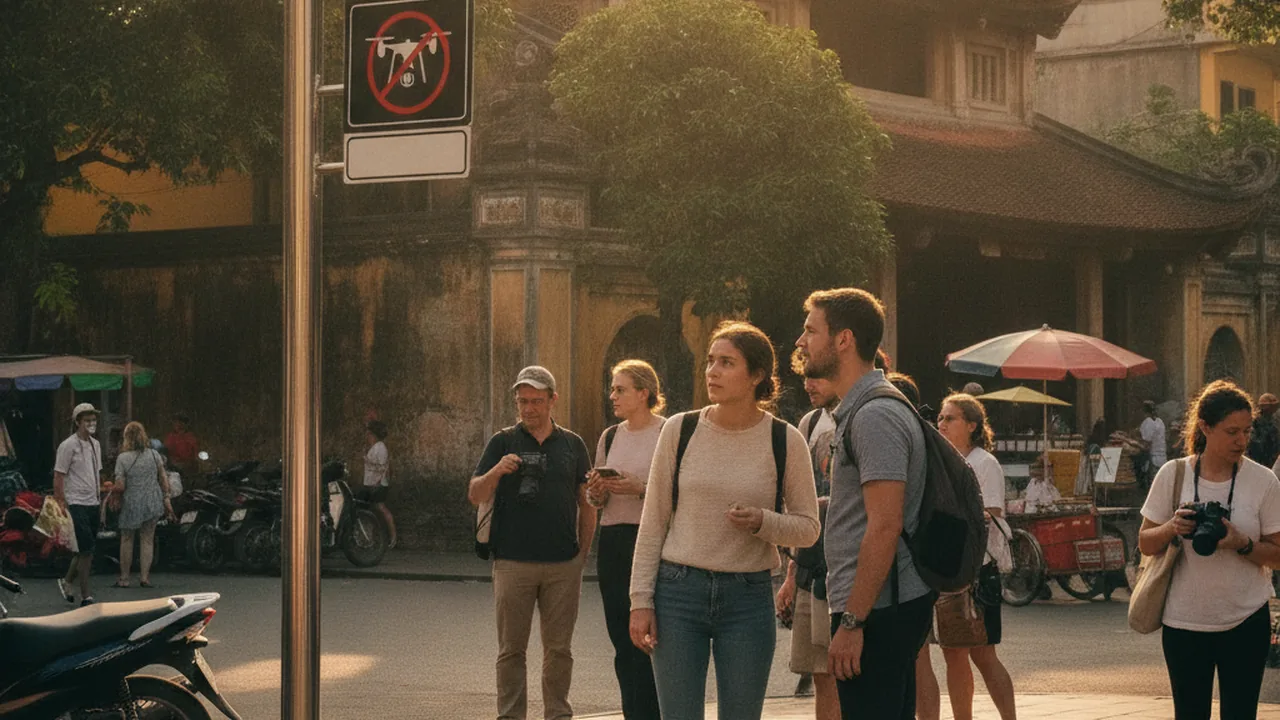
Vietnam has banned the manufacture, sale, import, storage and use of e-cigarettes and heated tobacco devices since 1 January 2025, according to the General Department of Vietnam Customs — this applies to tourists bringing a vape along as well. A separate rule covers drones: they can only be brought in with a permit from Vietnam’s Ministry of National Defence; without one, the device is confiscated at the border and only returned when you leave the country.
For the full list of what’s illegal for tourists (from drugs to public conduct) and real fines in 2026, see our guide to Vietnamese laws and fines for tourists.
What to buy locally
- Repellents and sunscreens from local and international brands — available in any pharmacy or supermarket.
- Small beach items: flip-flops, beach towels, poncho raincoats.
- Bottled water — cheaper to buy locally than to carry a supply from home.
- Modest cover-ups at the entrance to major pagodas, if you forget to pack a temple outfit.
YuSMP Travel editorial note
Building this checklist, we followed the same principle we use when matching destinations: if a point isn’t backed by verified data, we say so instead of guessing (more on our method in how we pick destinations and verify data). We checked the wording on vapes, drones and medicines against Vietnamese customs, and will update this article if the rules change. Prices in the text are a reference point for the publication date, not an offer.
Need help with dates, budget and picking a resort? Try our destination match tool — it factors in season, budget and trip format.
The checklist as a single table
What to pack and when
| Category | Essential | Situational |
|---|---|---|
| Documents | Passport, visa/e-visa, insurance, copies | A doctor’s note if carrying prescription medicines |
| Clothing | Light clothing, a modest temple outfit, raincoat | A warm cardigan — for the north in the cool season |
| Beach | Swimwear, a hat, UV sunglasses | A snorkel mask, reef shoes — if snorkelling |
| First aid | SPF 50+, repellent, stomach-upset remedies | Personal medicines with an English prescription (7/10-day caps) |
| Tech | Type A/C adapter, power bank, eSIM | A Ministry of Defence permit — if carrying a drone |
| Don’t pack | — | Vapes and heated tobacco — banned since 1 Jan 2025 |
Frequently asked questions
Can I bring a vape into Vietnam?
No. Since 1 January 2025, Vietnam has banned the manufacture, sale, import, storage and use of e-cigarettes and heated tobacco devices — the rule applies to tourists too.
What power adapter do I need in Vietnam?
The mains supply is 220V, 50Hz, with type A and C sockets, and type F in some newer hotels. A standard European plug usually fits without an adapter; grounded or US-style plugs almost always need one.
How much personal medicine can I bring?
Vietnamese customs caps "addictive" painkillers at a 7-day supply and psychotropic medicines at a 10-day supply, and requires an English-language prescription or doctor’s note for both.
Can I bring a drone into Vietnam?
Only with a permit from Vietnam’s Ministry of National Defence. Without one, the drone is confiscated at the border and only returned when you leave the country.
Do I need a raincoat in Vietnam?
Yes, a compact raincoat or poncho is useful almost year-round — especially if your route crosses a region’s rainy season; an umbrella is far less reliable on a scooter.
Do I need a separate first-aid kit for children?
Yes: bring children’s fever and stomach-upset remedies from home in the dose you’re used to; everything else (repellent, SPF) can be bought locally in a children’s formula.
Entry, customs and import rules change — check the latest requirements at customs.gov.vn and with the Vietnamese consulate before you travel.