Vietnam stretches almost two thousand kilometres from north to south, and that's the key thing to understand before you travel: there's no single season for the whole country. While the south stays reliably hot and humid, the north can greet you with cool weather and fog, and the centre has its typhoon season. When planning a route around Vietnam, base your plans on the specific region and month.
North: Hanoi, Ha Long, Sapa
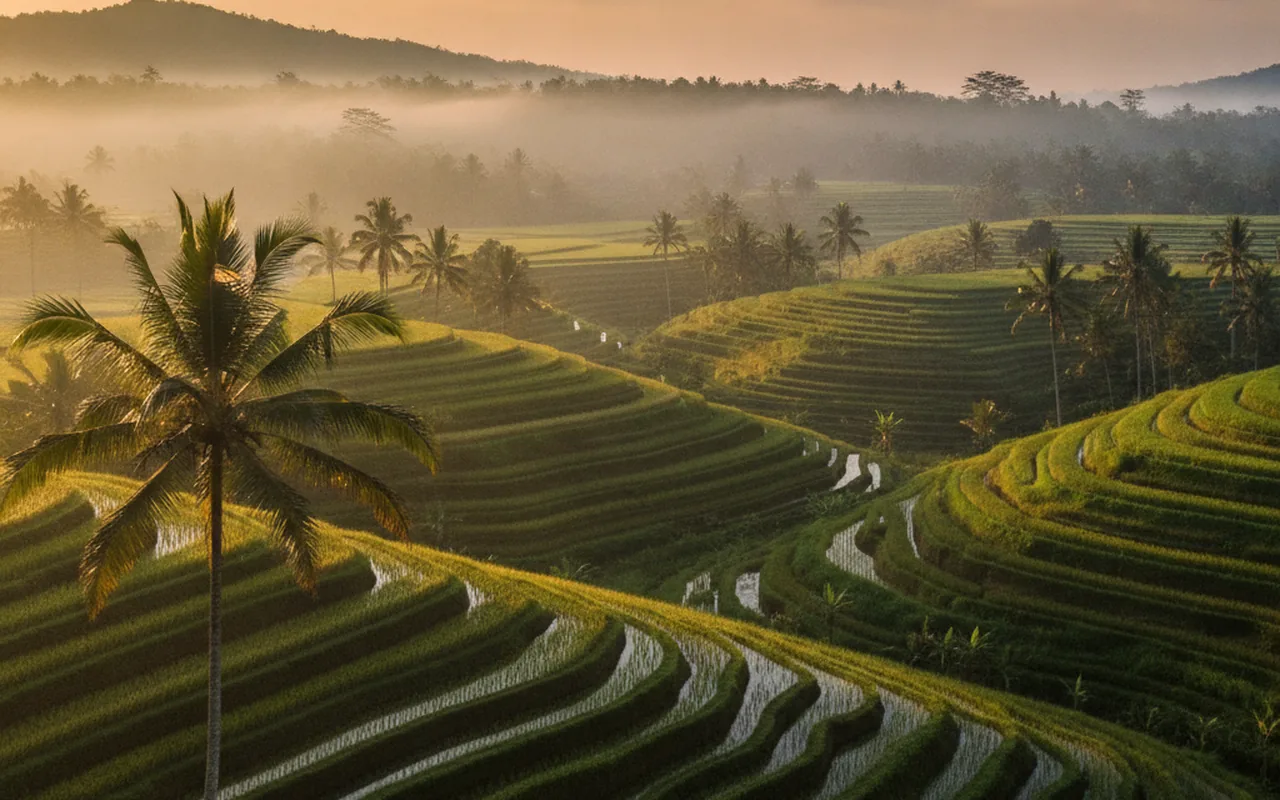
Northern Vietnam has genuine seasons, including a proper winter. In Hanoi and around Ha Long Bay, November to April is cooler and drier, while summer brings heat, humidity and downpours. In the mountains around Sapa, winters can get properly cold, though the rice terraces look their best closer to autumn.
- Hanoi — most comfortable during the cool, dry season; stuffy in summer;
- Ha Long Bay — cruises are nicer outside peak rains, but fog is possible in winter;
- Sapa — pack warm clothes even if you're arriving from the tropics.
Centre: Da Nang and Hoi An
The central coast, with Da Nang and the old town of Hoi An, is usually drier and sunnier in the first half of the year. In autumn, the chance of typhoons and heavy rain rises, and low-lying Hoi An can flood at times. For beach holidays, spring and early summer are the most reliable months.
South: Ho Chi Minh City, Phu Quoc, Mui Ne
The south has just two seasons — dry and wet. In Ho Chi Minh City, on Phu Quoc island and in Mui Ne, the dry period roughly falls in the winter and spring months, with the wet season in summer and early autumn. Rain here tends to come in short, heavy bursts.
When to go where
Roughly favourable months by region
| Region | Best time to visit | What to keep in mind |
|---|---|---|
| North (Hanoi, Ha Long) | November–April | cooler, fog possible |
| Sapa (mountains) | September–November | terraces and harvest, cold in winter |
| Centre (Da Nang, Hoi An) | February–August | typhoon risk in autumn |
| South (Ho Chi Minh City, Phu Quoc, Mui Ne) | November–April | dry season, downpours in summer |
If you want to cover both north and south in one trip, plan your route so each region falls within its favourable window. For ideas on combining destinations, see the catalogue.
Vietnam isn't one climate but three: plan for the region and the month, not just the country.
Climate guidelines are approximate and shift from year to year. Check up-to-date forecasts before booking flights.