YuSMP Travel Editorial Team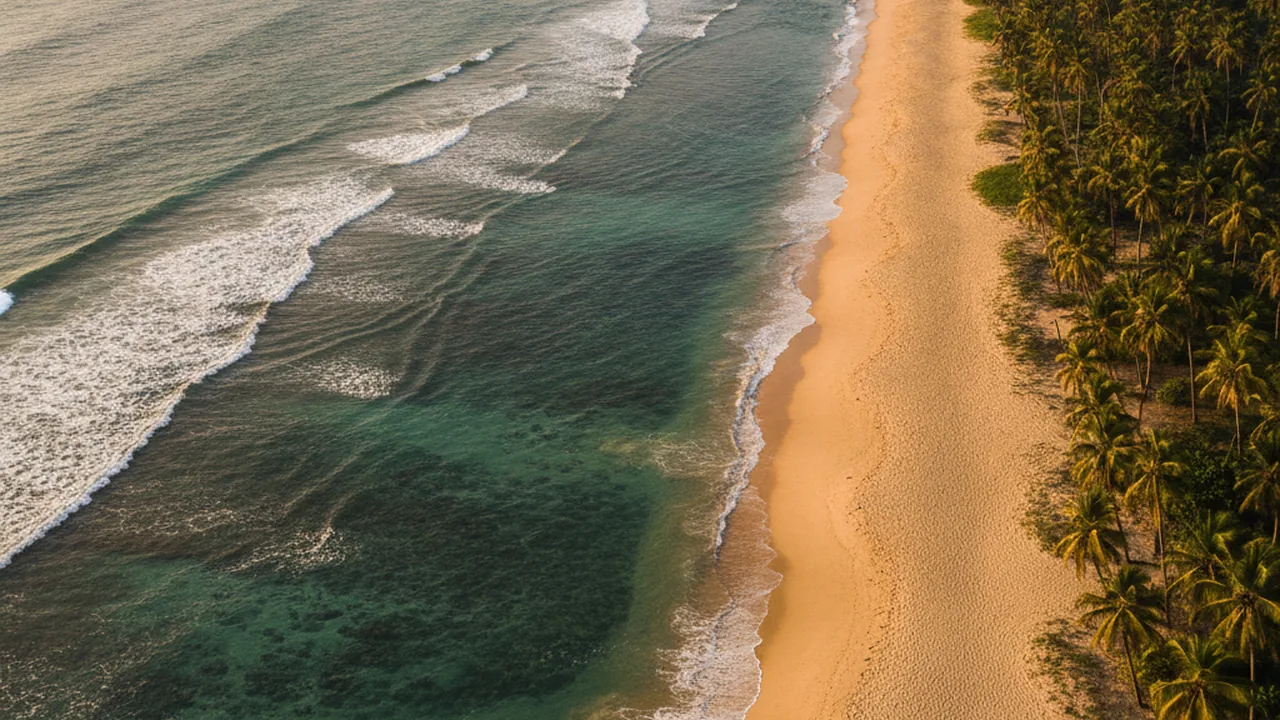
Sri Lanka weather by month doesn't move the same way across the island: broadly, the best window to visit runs from December to March, but that rule plays out differently depending on which coast you're on. While the west and south coast sit under clear skies and sun, the east of the island can be getting rain — and the reverse happens from May to September. Below we break down when to go to Colombo and Bentota, when to head to Trincomalee and Arugam Bay instead, and what the weather does up in the hills around Kandy and Nuwara Eliya. Starting from scratch? Try our destination match by season and budget or open the Sri Lanka overview.
Two monsoons: why the weather differs by coast
Sri Lanka is an island shaped by two opposing monsoons. The southwest monsoon, known locally as "yala", blows roughly from May to September and brings rain to the west and south coast — exactly where the most popular resorts sit: Colombo, Bentota, Galle, Hikkaduwa, Mirissa. At the same time, the northeast coast stays dry. Once the "yala" monsoon weakens, an intermonsoon period sets in, followed by the opposite northeast monsoon, "maha" — it runs roughly from October/December through February and brings rain to the northeast instead, leaving the west and south in their dry season. Between the two monsoons sit the shoulder periods in March-April and October-November, when weather across the whole island is less predictable.
Average lowland air temperature sits around +27.5°C, and the gap between the warmest and coldest month is only about 2.4°C: there's no real hot or cold "anomaly" in the usual sense — what actually shifts is rainfall. A detailed seasonal map is available from Sri Lanka Tourism, and current forecasts and climate norms come from the Sri Lanka Department of Meteorology.
West and south: Colombo, Bentota, Galle, Mirissa
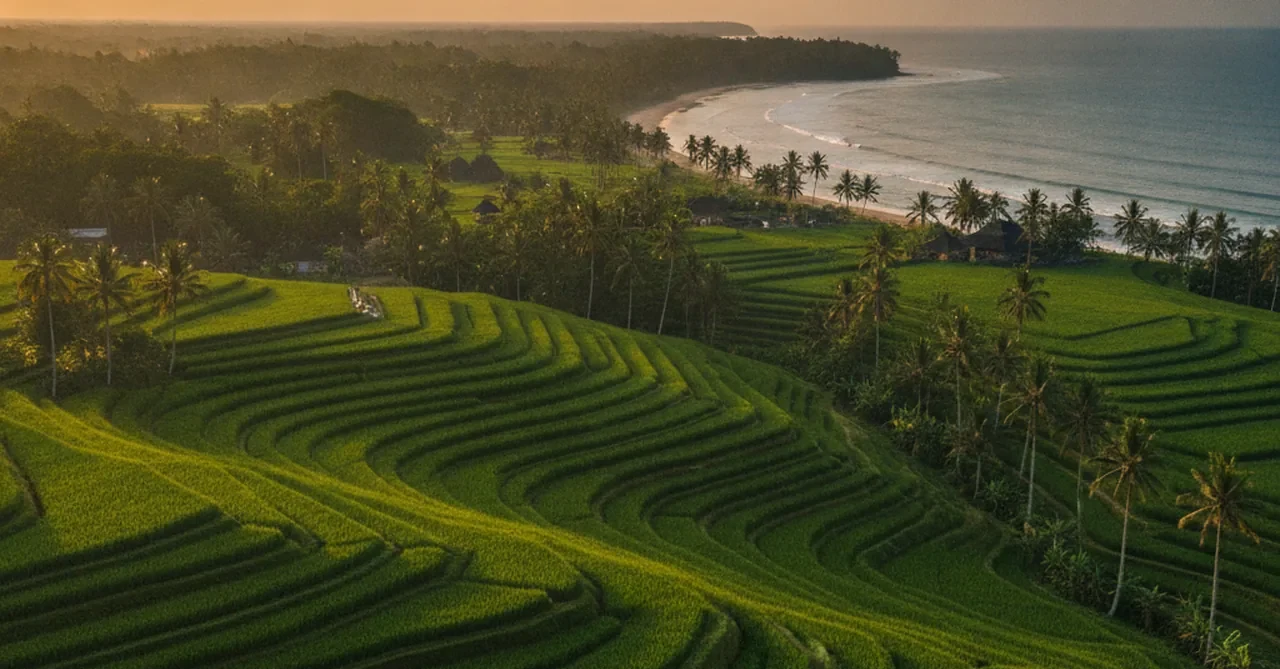
The dry season on the west and south coast runs roughly from December to March, and by many accounts through April. This is peak hotel demand: calm seas, minimal rain, beaches in their best shape of the year. Daytime heat peaks in April and August — air temperatures can climb to +34°C — but the sea stays comfortable year-round at around 27-29°C, with no sharp swings in winter or summer. If this is your first trip to the west or south of the island, see our complete Sri Lanka guide for more on entry rules, money and resorts.
East coast: Trincomalee and Arugam Bay
The east coast — Trincomalee and Arugam Bay — runs on the opposite schedule to the west and south: dry and comfortable roughly from May to September, exactly when the other side of the island is getting rain from the southwest monsoon. Arugam Bay in this window is one of the best surf spots in Asia: a reliable swell and light winds. We covered how the west and south coast enter their dry season at that same time of year — a clear illustration of how differently the same month can look on opposite sides of the island.
Hill country and the Cultural Triangle: Kandy, Nuwara Eliya, Sigiriya
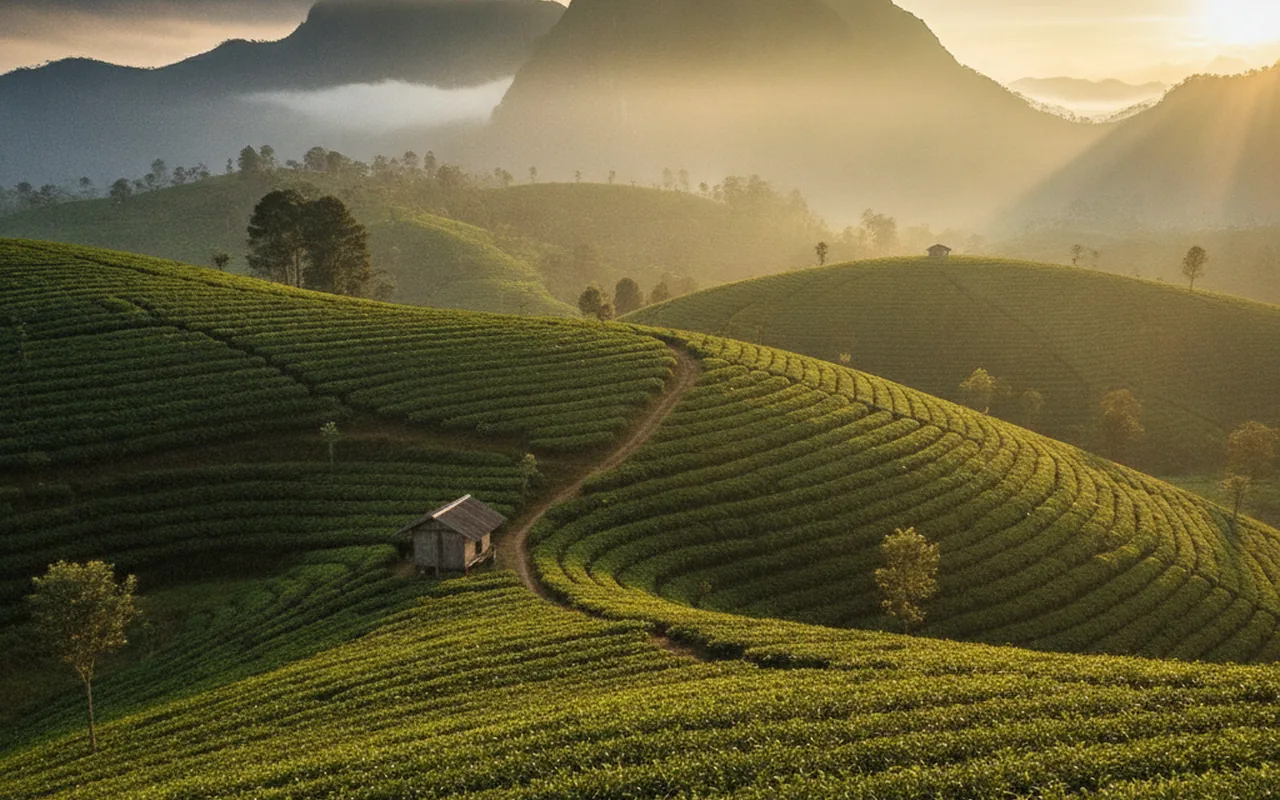
The hill country — Kandy, Nuwara Eliya and the Cultural Triangle around Sigiriya — runs on a third climate logic of its own. It's noticeably cooler up there: around +16…+18°C during the day, and in Nuwara Eliya the temperature can drop close to +10°C at night — pack warm layers even if you're flying in from hot, humid Colombo. The hills are usually driest from January to March. We covered this route in detail, including the famous hill train and the tea plantations, in "Sri Lanka: a tea route through the hills".
Table: Sri Lanka weather by month
Sri Lanka weather by month: coasts and hill country
| Month | West and south (Colombo, Bentota, Galle, Mirissa) | East (Trincomalee, Arugam Bay) | Hill country / recommendation |
|---|---|---|---|
| January | Dry, peak season | Rain, northeast intermonsoon | Dry and cool — a good month for the hills |
| February | Dry | Rain tapering off | Dry, comfortable |
| March | Dry, warming up | Mixed, intermonsoon begins | Dry, one of the best months |
| April | Intermonsoon, rain possible, heat peaks near +34°C | Transitional period | Changeable weather |
| May | Rainy season begins (southwest monsoon) | Dry season begins | Rain possible |
| June | Rain | Dry | Rain |
| July | Rain, less intense | Dry, warm | Rain |
| August | Rain, hot in the breaks, up to +34°C | Dry | Rain |
| September | Rain tapering off | Dry | Changeable |
| October | Rainiest month, intermonsoon | Rain starts | Rain |
| November | Intermonsoon, rain easing | Rain (northeast monsoon begins) | Changeable |
| December | Dry season begins | Rain | Dry, cooler at night |
Shoulder season: April and October
April and October are transition months between the two monsoons, and weather is unpredictable across the whole island: rain is possible on both the west and east coasts, and a short downpour can give way to sunshine within the same day. That's not a reason to skip the trip — just build a backup plan for beach days and avoid these months if you absolutely need guaranteed sun every day. Comparing dates with other countries in the region? See "Monsoons in Asia: how to pick rain-free months", which covers the windows for all the key destinations at once. You'll find ready-made options by date and budget in the destination catalogue.
Frequently asked questions
When is the dry season in Sri Lanka?
The west and south coast (Colombo, Bentota, Galle, Mirissa) are dry roughly from December to March, with some sources extending that to April. The east coast (Trincomalee, Arugam Bay) is dry the other way round — from May to September.
What is the rainiest month in Sri Lanka?
Several sources point to October — the intermonsoon before the northeast monsoon, when rain falls across almost the whole island. May is a similar transitional stretch, but for the west and south coast.
When is the best time to visit the east coast — Trincomalee and Arugam Bay?
From May to September, when the west and south coast are instead in the rainy season of the southwest monsoon.
What is the sea temperature in Sri Lanka in winter?
Around 27-28°C all year round — swimming is comfortable in any season. The real variable is sea swell and rain, not cold water.
Is it worth visiting Sri Lanka in April or October?
These are intermonsoon months: the weather is changeable across the whole island, with rain possible on both the west and east coasts. You can still go, but build a backup plan for beach days.
Weather and seasons shift from year to year — check the forecast before you travel at srilanka.travel/weather or meteo.gov.lk.