YuSMP Travel Editorial Team
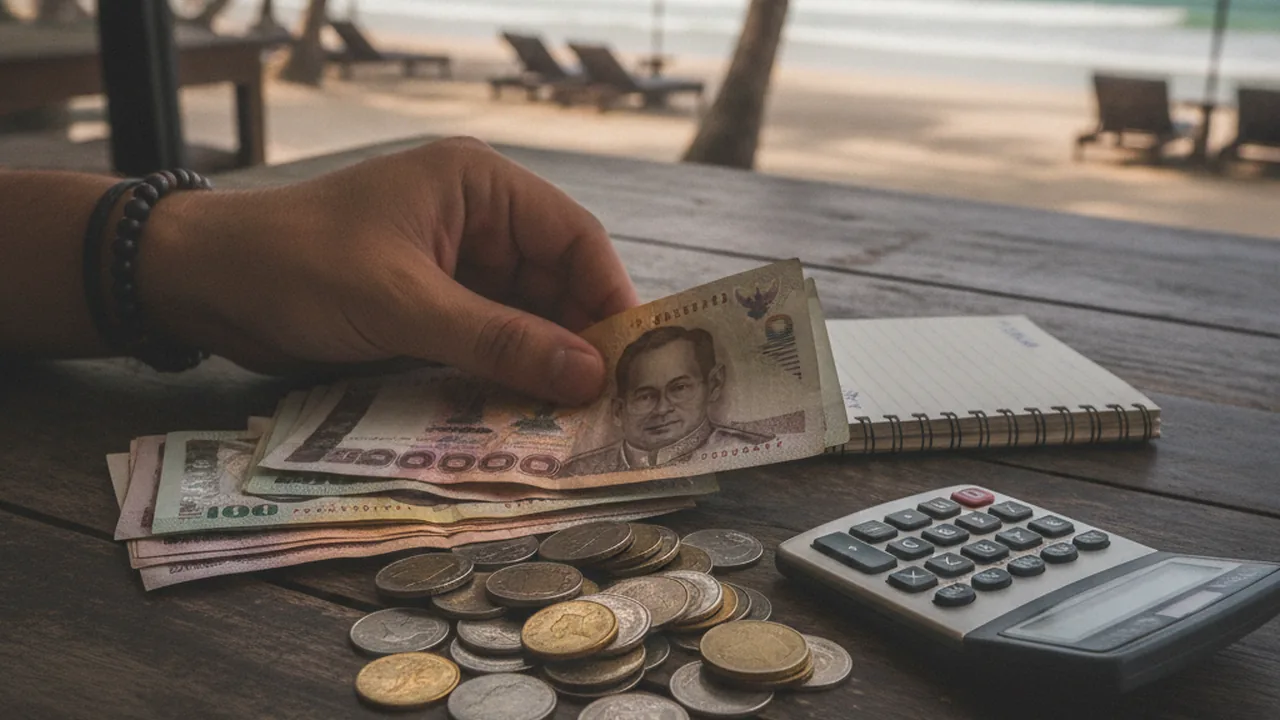
How much does a 2-week trip to Vietnam cost? On a tight budget, figure on roughly ₽316,000–357,000 for two people, including flights from Russia, a 3–4★ hotel and everyday meals without restaurants. On a comfortable budget, it's more like ₽435,000–554,000 for two, with a higher-category hotel, more café and restaurant meals, and a few paid excursions. Below we break the trip down by category — flights, accommodation, food, local transport and visa-related costs — and pull it all together in a table. For a full overview of visas and seasons, see our complete Vietnam guide, and to compare resorts and dates, start with the Vietnam destination page on YuSMP Travel.
Flights: what to budget
Flights are the single biggest and most unpredictable line in the budget. Based on aggregated travel-agency data (a rough guide, November 2026), a round-trip ticket from Russia for one person costs roughly ₽85,000–115,000 for a direct or connecting flight in low season, and ₽110,000–140,000 in high season (December–February, including the New Year peak). For two people, that works out to roughly ₽170,000–280,000 depending on season, how far ahead you book and the number of connections.
Direct flights usually cost more but save time and remove the risk of a missed connection; routes with a stopover in Asia are often 10–20% cheaper if you don't mind an extra 4–6 hours of travel. The earlier you book, the less likely you are to be left with only the expensive seats on peak dates.
Accommodation: from guesthouse to villa
Vietnam covers almost every budget when it comes to places to stay. As a rough guide for two people per night (November 2026, based on aggregator data): a guesthouse or budget hotel runs ₽1,800–3,200; a 3–4★ hotel runs ₽4,500–8,500; a villa or 5★ hotel with a pool starts around ₽12,000–30,000 and climbs higher still, especially in Nha Trang and Phu Quoc in high season.
Over 14 nights, that works out to roughly ₽60,000–85,000 on a tight budget (a 3–4★ hotel at the lower end) and ₽90,000–120,000 for something more comfortable. Prices vary noticeably by resort — which region to pick by budget, beaches and season is covered in Where to Stay in Vietnam: Comparing the Best Resorts.
Food and drink
Food is the easiest place to save money without sacrificing much. A bowl of pho or a street-stall dish costs 30,000–60,000 dong (roughly ₽110–220), and lunch at a simple local café runs 80,000–150,000 dong per person (roughly ₽290–550). Dinner for two at a mid-range, non-touristy café costs about 300,000–500,000 dong (roughly ₽1,100–1,800); restaurants with a sea view or Western menus cost noticeably more.
For two people over 14 days, budget ₽45,000–55,000 on a tight budget (mostly street food and local cafés) and ₽55,000–70,000 for a more comfortable approach, eating at cafés and mid-range restaurants more regularly.
Getting around and excursions
Taxis and Grab are the main way to get around resort towns: a ride across town typically costs 20,000–50,000 dong (roughly ₽75–180), and an airport transfer to your hotel runs 200,000–500,000 dong (roughly ₽730–1,800) depending on distance. Renting a scooter for a day costs 120,000–200,000 dong (roughly ₽440–730), but you'll need an international driving permit and a steady nerve — traffic in Vietnam is dense. Paying by card or QR where it's accepted is usually easier than juggling cash — for the full breakdown, see How to Pay in Vietnam: Cards, QR Codes and Cash.
Excursions (island-hopping, day tours, snorkelling) run 800,000–2,500,000 dong (roughly ₽2,900–9,100) per person depending on the programme. Over 14 days for two, factoring in a few trips and a couple of organised excursions, budget ₽35,000–50,000 on a tight budget and ₽55,000–70,000 for something more comfortable.
Visa and other compulsory costs
Russian citizens can enter Vietnam visa-free for stays of up to 45 days — more than enough for a two-week trip. If you're planning a longer or multiple-entry trip, an e-visa is available through the official portal evisa.gov.vn: a single-entry visa costs USD 25, a multiple-entry visa USD 50. Rules change from time to time, so check the current visa-free status and conditions before you fly — for a step-by-step breakdown of the e-visa process and common applicant mistakes, see Vietnam e-visa: how to apply and avoid mistakes.
A separate budget line is travel medical insurance plus a local SIM or eSIM for connectivity and navigation on the ground. For two people over 14 days, both together usually come to ₽6,000–14,000: insurance runs ₽2,000–5,000 per person, and a local SIM or tourist eSIM package runs ₽1,000–2,000 per person.
Two-week Vietnam budget: tight vs comfortable
| Category (two people, 14 days) | Tight budget | Comfortable |
|---|---|---|
| Round-trip flights (for two) | ₽170,000–190,000 | ₽220,000–280,000 |
| Accommodation | ₽60,000–70,000 | ₽90,000–120,000 |
| Food and drink | ₽45,000–50,000 | ₽60,000–70,000 |
| Local transport and excursions | ₽35,000–40,000 | ₽55,000–70,000 |
| Visa, insurance and SIM/eSIM | ₽6,000–7,000 | ₽10,000–14,000 |
| Total for two | ≈₽316,000–357,000 | ≈₽435,000–554,000 |
How to save money without losing comfort
A few practical steps that noticeably cut the overall cost without turning the trip into an exercise in deprivation:
- Fly in low or shoulder season, avoiding the New Year peak — expect to save 20–30% on flights and hotels compared with peak dates.
- Book flights and hotels 2–3 months out rather than 1–2 weeks before — the cheapest seats and rooms get snapped up first.
- Eat mainly at local cafés and street stalls, saving sea-view restaurants for special occasions.
- Use Grab instead of hailing a metered taxi on the street — the fare is fixed upfront, so there's less room for overcharging.
- Pay by card or QR where accepted instead of constantly changing cash — it's easier to track the exchange rate and spending.
- Consider a connecting flight instead of a direct one — this sometimes shaves 10–20% off the fare.
If you haven't settled on a resort or dates yet, the destination match tool on YuSMP Travel can help you narrow things down by budget and season.
Frequently asked questions
How much does a 2-week trip to Vietnam cost for two?
On a tight budget, figure on ₽316,000–357,000 for two, including flights, a 3–4★ hotel and meals at cafés and street stalls. On a comfortable budget, it runs ₽435,000–554,000, with a higher-category hotel, more restaurant meals and a few excursions.
Do Russian travellers need a visa for Vietnam?
Not if the trip is under 45 days — Russian citizens can enter visa-free. For longer or multiple-entry trips, you'll need an e-visa: USD 25 for single entry, USD 50 for multiple entry. See our step-by-step guide to the Vietnam e-visa.
How much does food cost in Vietnam per day?
Street food and a bowl of pho cost roughly ₽110–220 per portion, and lunch at a simple café runs about ₽290–550 per person. Dinner for two at a mid-range café costs roughly ₽1,100–1,800; sea-view restaurants cost noticeably more.
When is it cheapest to fly to Vietnam?
Fares are cheapest outside the New Year and May holiday peaks, in the low tourist season. Flights over the December–February peak run noticeably higher than in the off-season.
Can you pay by card in Vietnam?
Yes — many hotels, restaurants and larger shops accept cards, and QR payments are becoming increasingly common. For the full breakdown of working payment methods, see How to Pay in Vietnam.
How can I save money in Vietnam without losing comfort?
Fly in low season, book ahead, eat mainly at local cafés and use Grab instead of hailing a random taxi — see the full list of tips in the "How to save money" section above.
Prices and visa rules change — check the current e-visa conditions on evisa.gov.vn before you travel.