YuSMP Travel Editorial Team
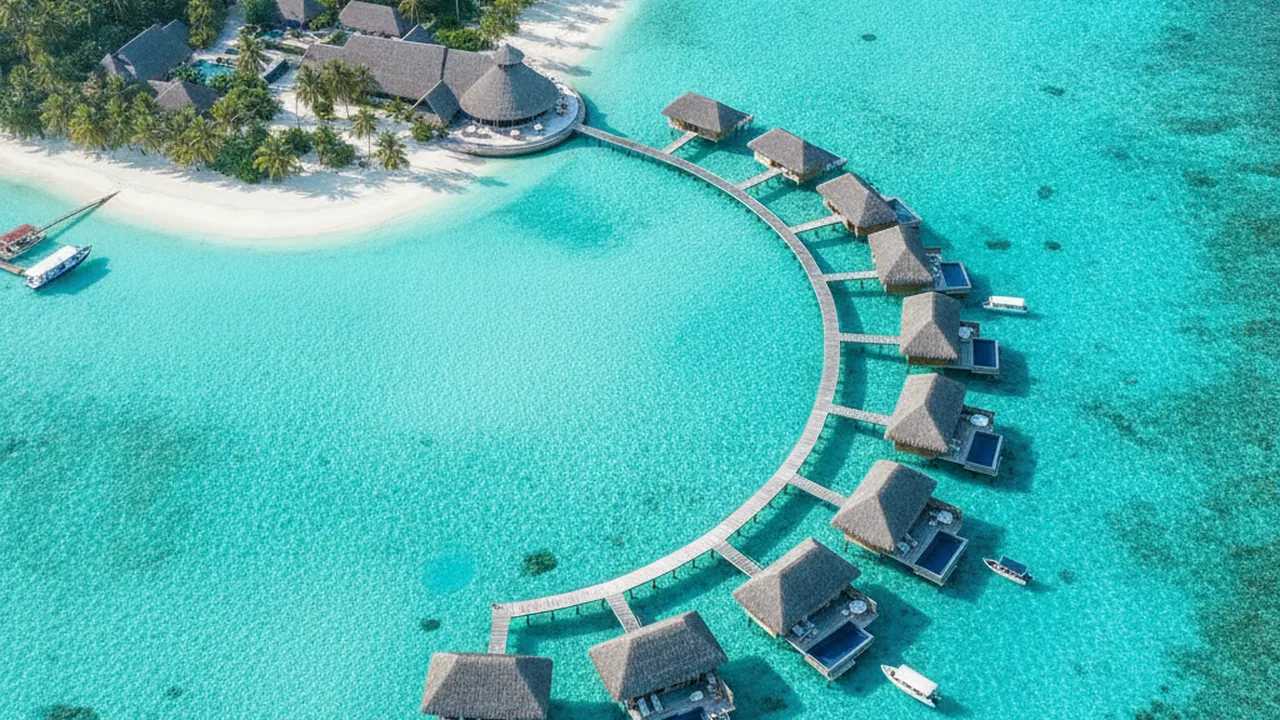
The Maldives government has decided to fully scrap the 17% TGST tax on foreign tour operators and travel agencies — a requirement that was in force for only five weeks and triggered protests from the industry in Russia and Europe. On 5–6 November 2026, Maldives Tourism Minister Mohamed Ameen announced at the World Travel Market exhibition in London that the government has submitted a bill to parliament to fully repeal the rule and refund the tax already collected, rather than simply postponing it again.
What happened to the TGST tax
The Tourism Goods and Services Tax (TGST) is the Maldives' 17% tourism tax, long paid by resorts and hotels inside the country. On 1 October 2026, an amendment (the "Eighth Amendment" to the GST Act) came into force extending the same tax to foreign tour operators, travel agencies and overseas online booking platforms — in other words, to companies that sell Maldives tours without being physically present in the country. Major European tour operators pushed back against the new rule (DERTOUR Group in particular warned that the tax undermined the destination's competitiveness), and hoteliers reported a drop in bookings. On 5 October 2026 the authorities already backed off once and postponed applying the rule to foreign operators until 1 April 2027. But the protests didn't die down, and a month later the government decided to go further — not push back the deadline, but remove the requirement from the law entirely and refund what had already been collected.
Timeline of the TGST decision for foreign tour operators
| Date | What happened |
|---|---|
| 1 October 2026 | The 17% TGST tax for foreign tour operators and OTAs took effect |
| 5 October 2026 | Enforcement of the rule was postponed until 1 April 2027 |
| 5–6 November 2026 | The tourism minister announced a bill to fully repeal the rule and refund the tax already collected |
| Expected within 1–2 weeks | Final approval by parliament (per the minister's statement) |
Who is affected by this decision
The tax never applied to tourists directly "at the counter" — it was supposed to be administered and remitted by the foreign tour operators and booking platforms themselves, out of their own sales. In practice, that means the decision primarily affects Russian and other foreign tour operators who sell package tours to the Maldives, and through them, the prices a tourist sees when buying a package. Resorts and hotels inside the Maldives still pay their own 17% TGST as before — that part of the tax hasn't changed and isn't affected by the repeal.
What this means for travellers from Russia
If you're planning a package tour to the Maldives through a Russian tour operator, the main practical effect is that the risk of packages getting more expensive because of an extra tax has been lifted — at least until the bill is reversed again. Tour operators who had been pricing in a possible 2027 cost increase because of TGST in October can now reconsider those plans. Travellers who book Maldives hotels directly rather than through a package tour are barely affected either way — their price never included a "tour-operator" TGST to begin with. A separate question is how to actually pay in the Maldives with Russian cards; working methods are covered in our article "How Russians Can Pay Abroad in 2026: Every Method That Actually Works" and in the broader overview "Money in Asia: Where Russian Cards Fail and What to Take in Cash".
What happens next
According to Minister Ameen, final approval of the bill by parliament (the People's Majlis) is expected within one to two weeks of the London announcement. Until the law is formally signed, the postponement to 1 April 2027 technically still stands, so booking a Maldives tour in the coming weeks is safe to do without worry — there's no risk of a sudden tax surcharge being added to an already-paid package under either scenario. Either way, it's worth arranging travel insurance that covers the full length of the trip before you go — what your policy should include is covered in "Travel Insurance: What Your Policy Must Cover Before a Trip to Asia".
Frequently asked questions
What is TGST and who does it affect?
The Tourism Goods and Services Tax is a 17% tourism tax in the Maldives. Resorts and hotels have paid it for years; from 1 October 2026 it was briefly extended to foreign tour operators and overseas booking platforms — and that is the part now being repealed.
Will an already-booked Maldives tour get more expensive?
No: the move is toward repealing the tax, not introducing it, and it creates no extra charge on tours already paid for.
Do tourists have to pay this tax themselves at the border?
No, TGST for foreign operators was administered and remitted by the tour-selling companies themselves, not collected from travellers at passport control.
Have visa-free entry rules for the Maldives changed?
No, that is a separate matter: the visa-free entry allowance for Russian citizens of up to 30 days is unaffected by this tax decision.
Where can I check the official status of the bill?
On the website of the Maldives People's Majlis (majlis.gov.mv) and in statements from the Ministry of Tourism; in Russia, industry outlets RST and ATOR track the story.
Sources
- Russian Union of Travel Industry (RST) — on the postponement of the tax to April 2027, 5 October 2026.
- TTG Asia — on the bill to fully repeal the tax, 5 November 2026.
- Profi.Travel — with the Maldives tourism minister's statement at WTM London, 6 November 2026.
- Atoll Times — on parliament taking up the bill for consideration, 6 November 2026.
The status of the bill may change before the final parliamentary vote — confirm current information with your tour operator or on the Maldives Ministry of Tourism website before booking.