YuSMP Travel Editorial Team

Thailand has warned that its 2026/2027 cool season will start about a week later than usual and run warmer than last year. The official forecast, issued on 9 October 2026 by the Thai Meteorological Department (TMD), covers the period from mid-October 2026 to mid-February 2027. The driver is a strengthening El Nino, which is delaying the arrival of cold air masses and keeping temperatures above average. TMD separately warns of an elevated risk of storms and heavy rain across the south in November and December. For the broader seasonal picture, see our Thailand overview and "Thailand Weather by Month".
What TMD announced
In its "Thailand Cool Season Forecast 2026/2027" bulletin, TMD states that the cool season across the North, Northeast and Central regions will begin about a week later than average — around the third week of October 2026 — and run until roughly mid-February 2027. The department directly links the delay and the milder temperatures to El Nino, which it expects to strengthen towards the end of 2026 and potentially persist into early 2027. This is TMD's second announcement this month: it previously issued a separate storm warning for the south and Bangkok covering 18–25 October (see "Thailand Warns of Flash Floods and Landslides") — that alert covered a single week, while this new forecast covers the whole season.
How much warmer, and when
TMD puts average overnight lows across upper Thailand at 22–23 °C — about 2 °C above normal — with Bangkok nights at 19–21 °C. The coldest stretch runs from late December 2026 to early February 2027, when the North and Northeast could see lows of 10–12 °C, with frost possible on mountain peaks. For the south (Phuket, Koh Samui, Krabi) the delay barely registers, since air and sea temperatures there are already stable in winter; travellers chasing genuinely cool weather up north — Chiang Mai and the hill provinces — should shift their timing a week or two later than usual.
TMD forecast by date and temperature
| Period | Region | Temperature / risk |
|---|---|---|
| 3rd week of Oct 2026 — mid-Feb 2027 | Whole cool season | Starts ~1 week late, overall warmer than last year |
| November 2026 | North, Northeast, Central | Lows 22–23 °C (~2 °C above normal) |
| Nov–Dec 2026 | South, Gulf of Thailand | Elevated risk of storms and heavy rain |
| Late Dec 2026 — early Feb 2027 | Upper North and Northeast | Coldest stretch: 10–12 °C, possible frost on peaks |
| Bangkok, all winter | Capital | Overnight lows 19–21 °C |
Southern storm and rain risk in November–December
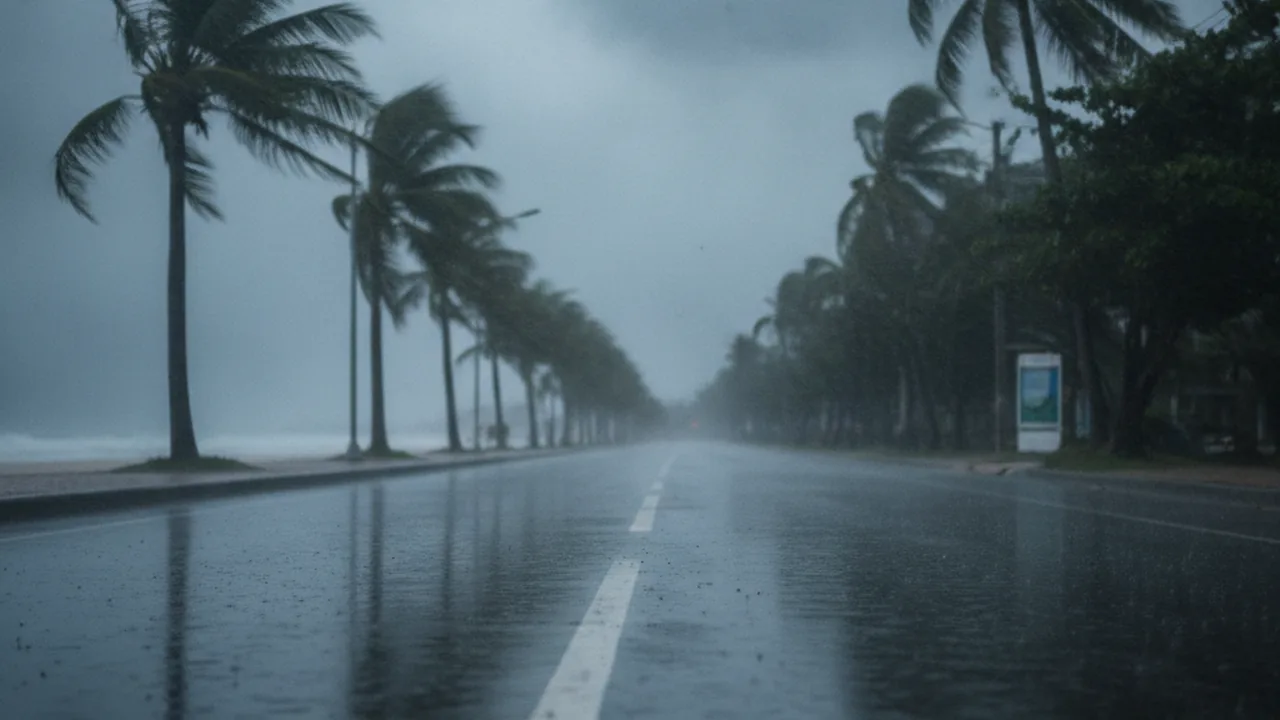
From mid-October 2026 to early January 2027, TMD expects thundershowers across 60–80 % of the southern provinces, locally heavy, with a risk of flash floods and overflowing rivers. November and December also carry a higher chance of tropical cyclone development in the Gulf of Thailand. This is a seasonal pattern rather than a single-week alert like the 18–25 October warning — worth keeping in mind when picking dates for Koh Samui, Koh Pha Ngan and the eastern Gulf coast in early winter.
Where and when to go if you're planning a trip
If your goal is genuinely cool, dry weather up north — Chiang Mai, Chiang Rai, the hill provinces — build in a one- to two-week buffer against your usual dates. For the beach south (Phuket, Krabi), the delayed season barely affects comfort: what matters there is the November–December storm risk in the Gulf, not air temperature — the Andaman coast tends to stay calmer than Koh Samui and nearby islands during that window. For alternative destinations over the coming months, see our "Where to fly in December" round-up and the destination match tool; entry rules for Russian citizens are covered in "Thailand Visa Rules for Russian Travellers".
Frequently asked questions
Does this mean Thailand's winter will feel like summer?
No — the cool season will be about 1–2 °C milder and start a week later than usual, not disappear: nights up north will still turn noticeably cooler, especially from December to February.
Should I change my Phuket or Koh Samui trip because of this forecast?
TMD isn't recommending trip cancellations. The forecast concerns the season's overall temperature trend and the southern storm risk in November–December, not a ban or closure of any destination.
How is this different from the 18–25 October storm warning?
That alert covered one specific week and set of provinces. This document is a full-season forecast, from October 2026 to February 2027, about the broader temperature trend rather than an emergency weather situation.
Does it really get cold enough for frost in northern Thailand?
Yes — in the hilly and mountainous parts of the North and Northeast, during the coldest stretch (late December to early February), peaks can see frost. That's an annual occurrence, not something specific to this year's forecast.
Where can I check forecast updates before travelling?
Official updates are published by the Thai Meteorological Department (TMD) — see the link in the Sources section below.
Sources
- Thai Meteorological Department (tmd.go.th) — official cool season forecast 2569/2570 (2026/2027), 9 October 2026
- Nation Thailand — 15 October 2026
- Tourprom.ru — 20 October 2026
Seasonal forecasts are probabilistic and get refined through the winter — check tmd.go.th for the latest updates before travelling.