Flying with a child: a calm flight
Flying with a child doesn't have to be an ordeal: the right preparation, a couple of tricks for their ears and a lifesaver bag solve almost everything.
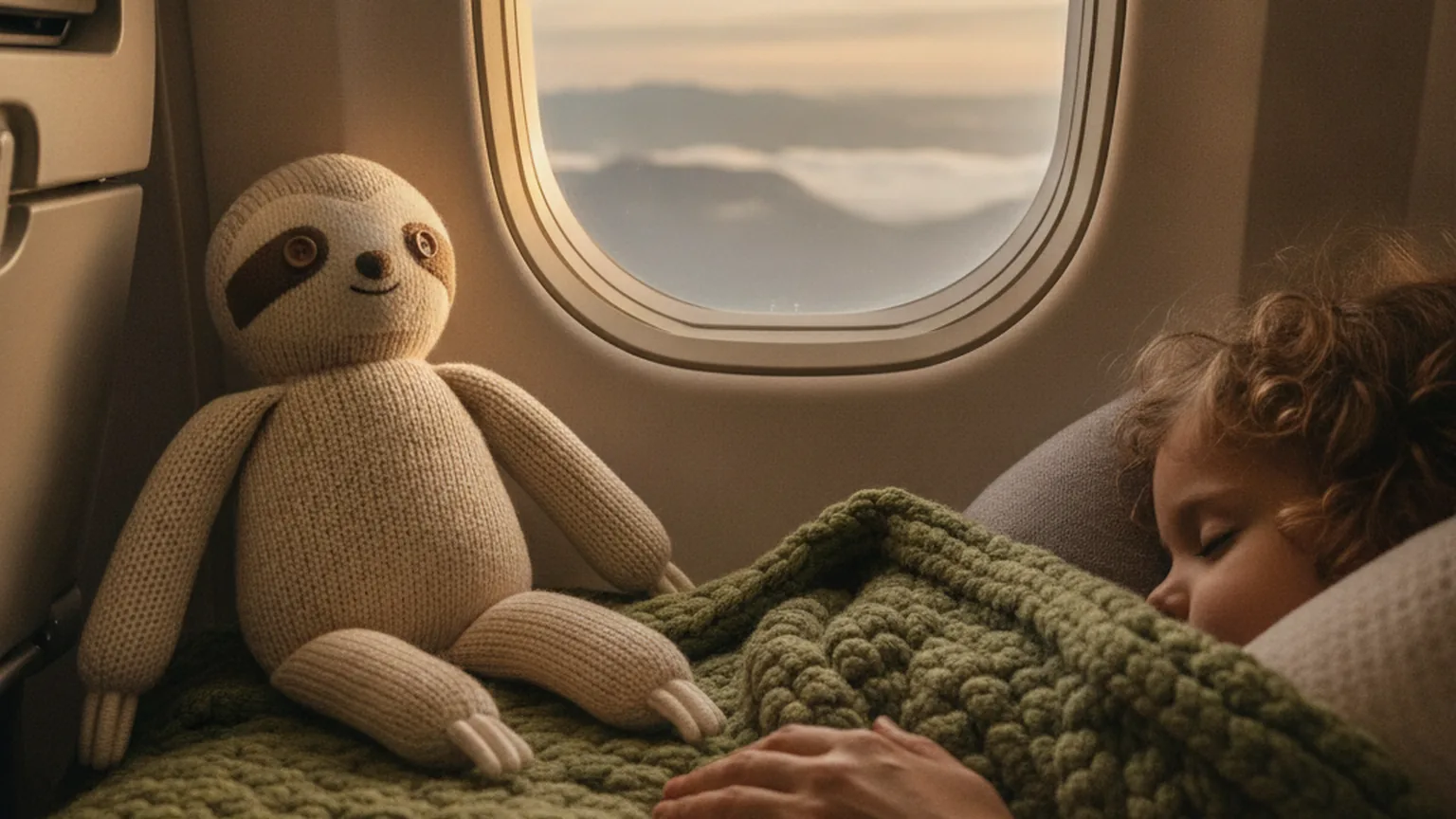
The main secret to a calm flight with a child isn't a magic pill, it's preparation. Your little one reads your state: if you're calm and have everything within reach, they hold up far better too. Below is a working system, from documents to the moment their ears pop. No panic, just specifics.
Documents and preparation
Start with the paperwork — it's checked strictly. A child needs either their own international passport or (in some cases) to be entered in an old-style parental passport. Always bring the birth certificate — it comes in handy. If you're flying without the other parent, check the entry country's rules: notarised consent to travel is sometimes required.
- Check your child's passport and its expiry date
- Take the birth certificate (the original)
- Check whether the other parent's consent to travel is needed
- Book the child's ticket and seat in advance — not on the day of departure
- Download cartoons and games offline to the tablet and charge your devices
What to take in your carry-on
Pack a separate "lifesaver bag" that's easy to reach in flight. The rule is simple: anything you might need in the first minutes of panic should be on top and within reach, not in the overhead locker.
- Wet wipes, a spare nappy, a changing mat, bags
- A full change of clothes (and a T-shirt for you!)
- Water/formula/a snack and their favourite bottle or sippy cup
- Headphones, a tablet with downloaded cartoons, stickers
- A favourite soft toy and something new as a surprise
- A first-aid kit: fever medicine, plasters, nose drops
Ears at take-off and landing
The most common reason for tears is the pressure change. The rescue is swallowing: for a baby that's the breast, a bottle or a dummy exactly during the climb and descent; for an older child, give them a drink through a straw, something to chew or a lollipop. Don't let them sleep during take-off and landing — asleep, a child doesn't swallow. If they have a runny nose, you can use decongestant drops half an hour before landing (check with your paediatrician).
A child on a plane isn't frightened by the altitude, but by your anxiety. A calm mum is half of a successful flight.
Food, sleep and choosing seats
Match the flight to their sleep schedule if you can: a baby will often simply sleep through a night flight. With an infant, ask for a front-row seat with a bassinet mount — book it in advance. With an older child, an aisle seat is more convenient so you can get out easily, and away from the toilets where people crowd. It's better to feed them your own food: onboard meals don't always fit their routine or taste.
And finally: build in a time buffer, don't let other passengers' looks get to you, and praise yourself. A long flight with a child is a marathon, not a sprint: change activities every 20–30 minutes (eat — play — watch — sleep) and the time will fly by.
Frequently asked questions
Can I give my child a sedative before the flight?
Only if prescribed by your paediatrician, and never "just in case". Some medicines have the opposite effect — overexcitement. Better to bet on preparation, sleep routine and switching activities rather than on drugs.
What should I do if my child starts crying in flight?
Stay calm, offer a drink (that also rescues their ears), give them a hug, change the activity or produce the surprise toy. Tears are normal, your neighbours will survive. Your reaction matters more than anyone else's opinion.
From what age does a child need their own seat?
Usually up to age 2 a child can fly "in arms" on a ticket without a seat (at a discount); after that you buy a separate seat. But even under 2, a separate seat with your own car seat makes a long flight noticeably more comfortable for both of you.
Destination ideas and checklists — straight to your inbox.
Once every couple of weeks — where to fly this season, how to catch cheap tickets and a short packing list. No spam.
More from the journal
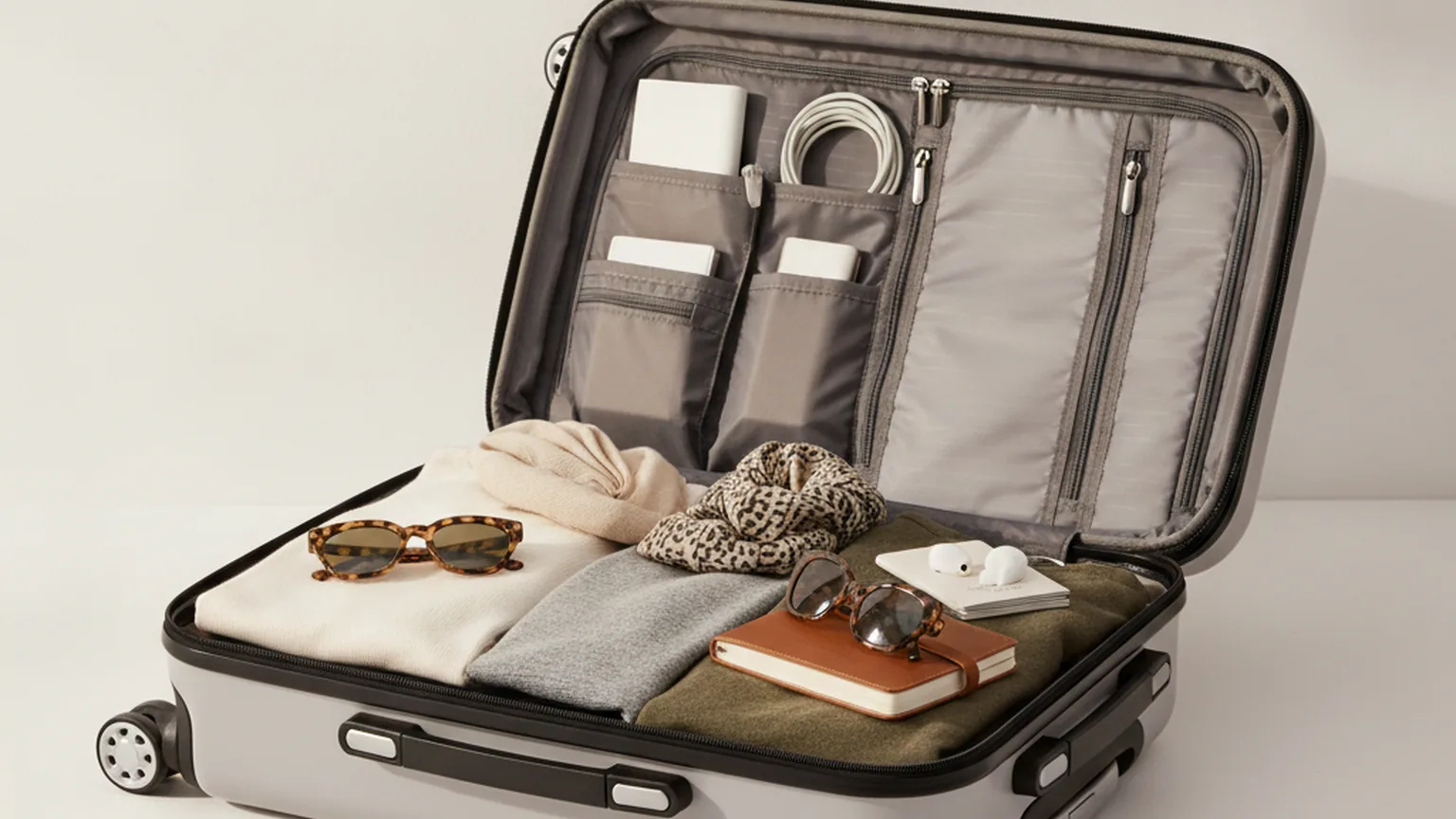
What to pack in your carry-on: a traveller's checklist
Liquids, gadgets, documents and your make-up bag — we've put together a carry-on checklist that means you leave nothing at home and hand nothing over at security.
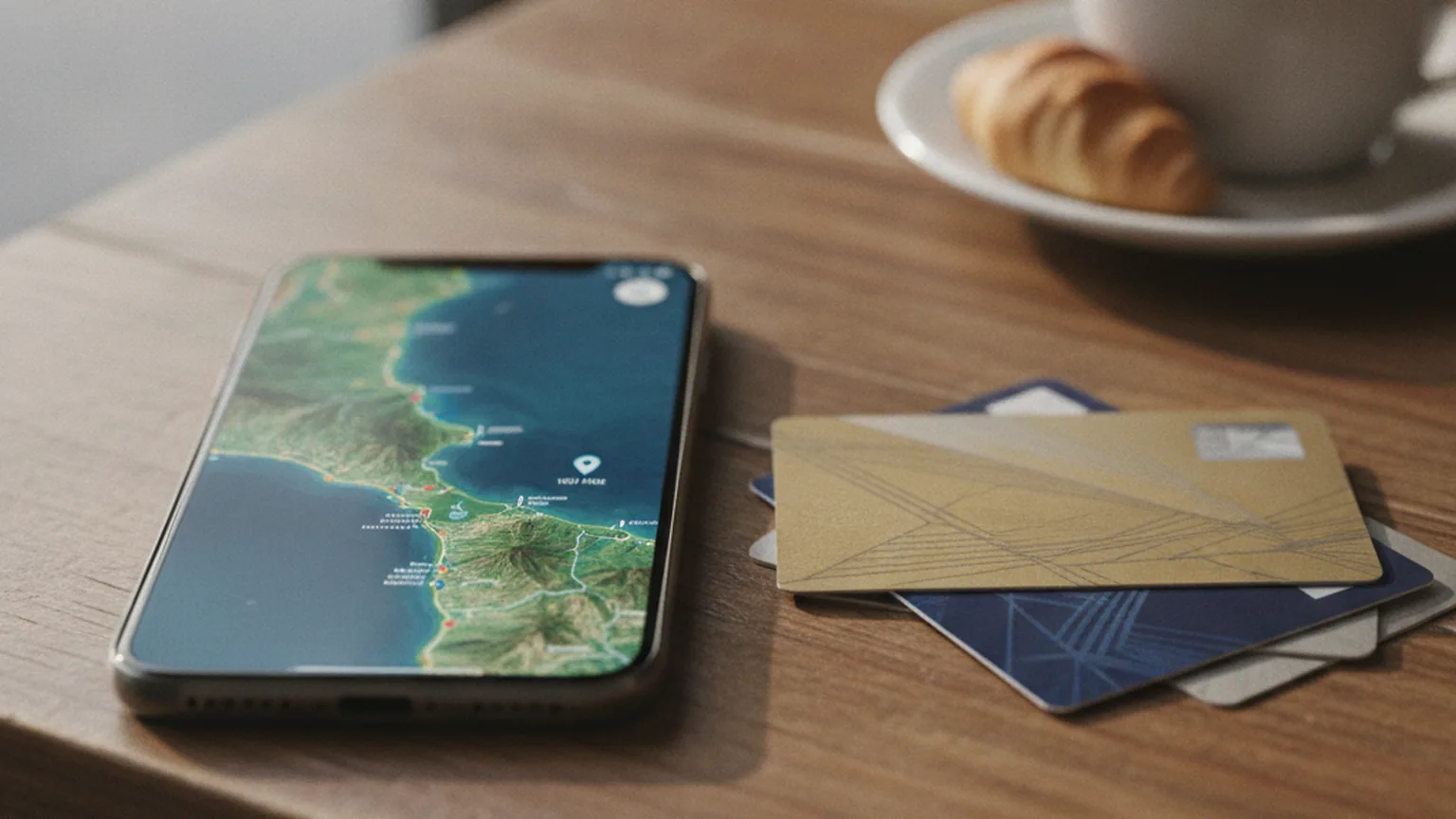
eSIM, money and connectivity abroad: how not to overpay
How to stay connected without roaming, what to pay with abroad and how not to lose money on exchange rates and fees — explained in plain language.

Travelling solo: safe and a joy
Solo travel for a woman is freedom on your own terms: you choose the route, the pace and the experiences, and keep safety under control without paranoia.